
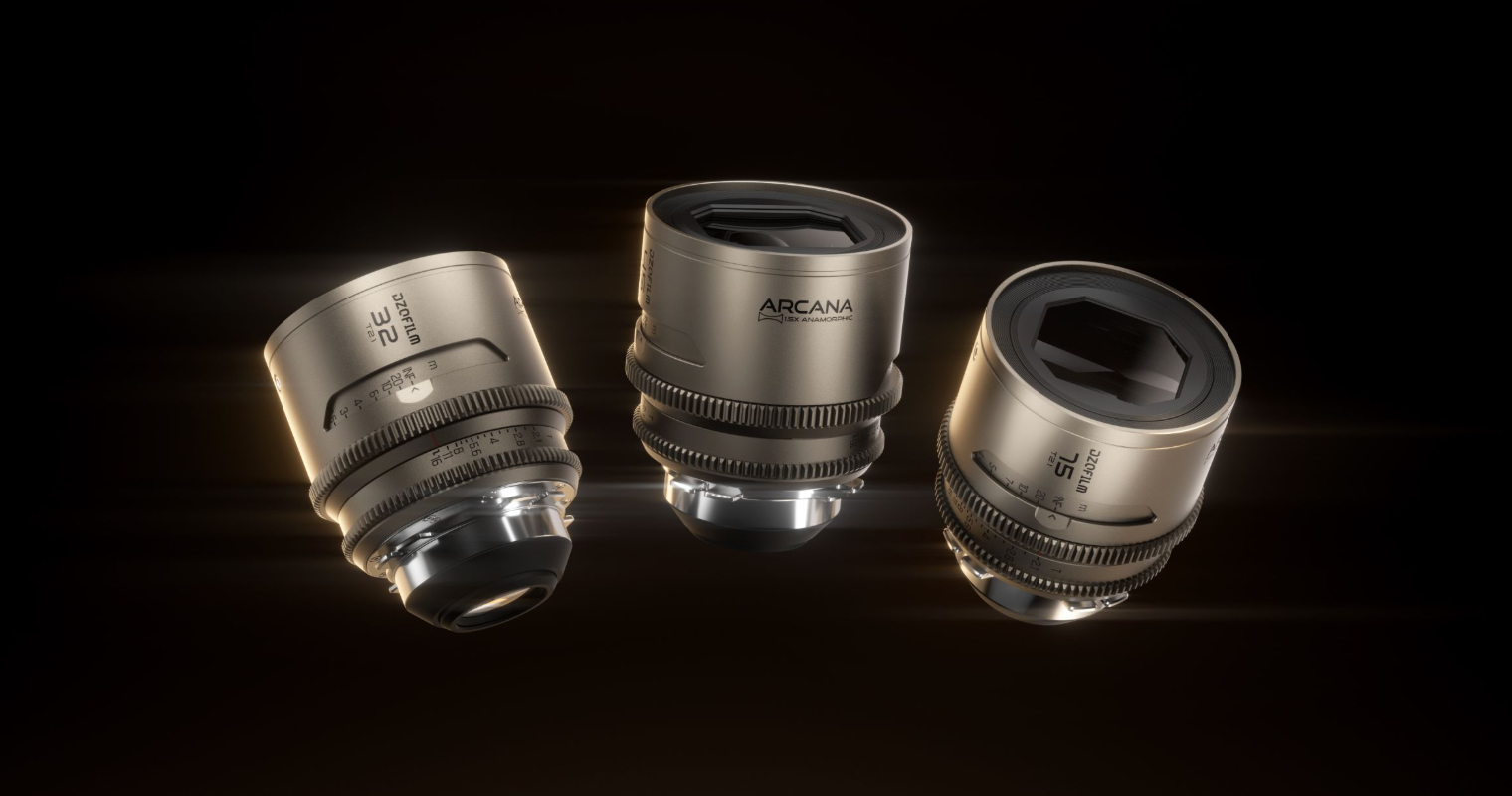
11.11.2026
Against the backdrop of a turning point in Central Asian history, 18-year-old cinematographer Miras Sultangereyev is redefining how we look at historical drama. To capture the tension of Soviet Alma-Ata during the seismic December 1986 Jeltoqsan uprising, Sultangereyev paired the agile Sony FX3 with DZOFILM Vespid Prime lenses. The result is a visually captivating masterpiece that masterfully balances complex technical precision with a warm, organic, and deeply human aesthetic.
1. Please introduce your self
I'm Miras Sultangereyev. I am an 18-year-old cinematographer from Kazakhstan, currently studying at the Kazakh National University of Arts (KazNUA). On set, I really love working with camera movements and setting up the lighting to shape the mood of the story. The short film "The Finest Hour of Sovereignty" is one of my projects.
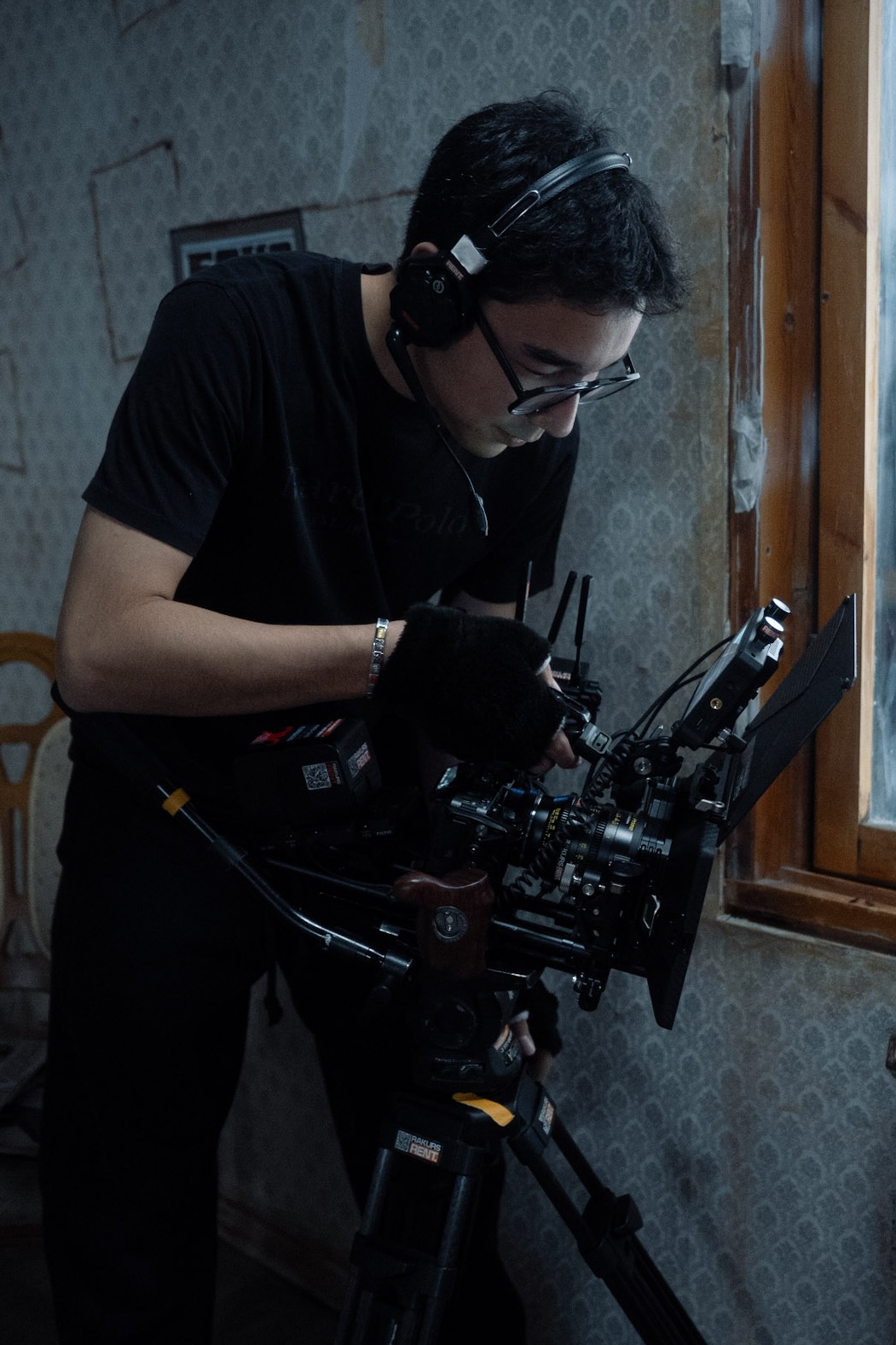
Director of Photography: Miras Sultangereyev
2. Could you introduce the story of this short film and the meaning behind the title "ЗВЁЗДНЫЙ ЧАС СУВЕРЕНИТЕТА"?
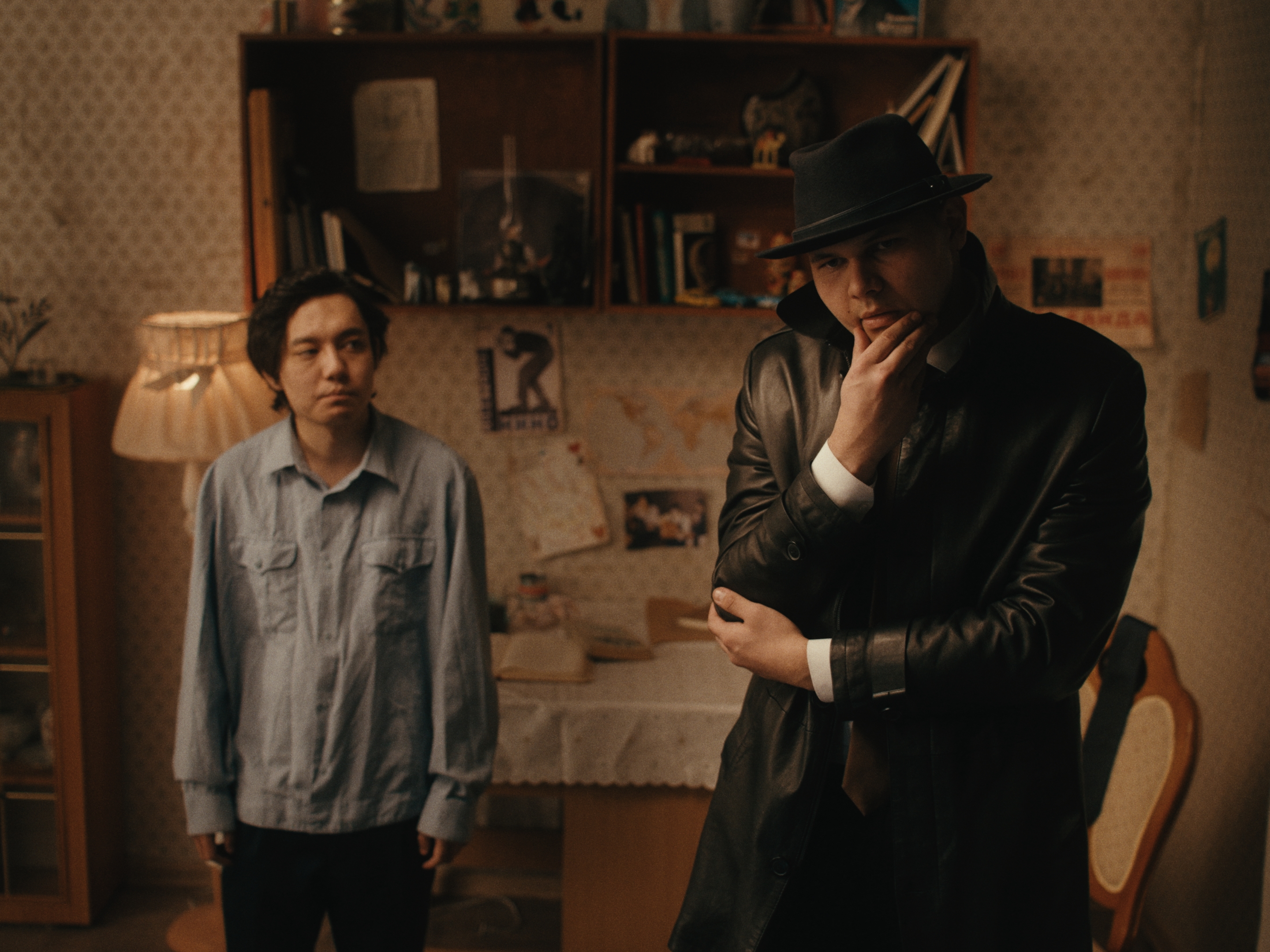
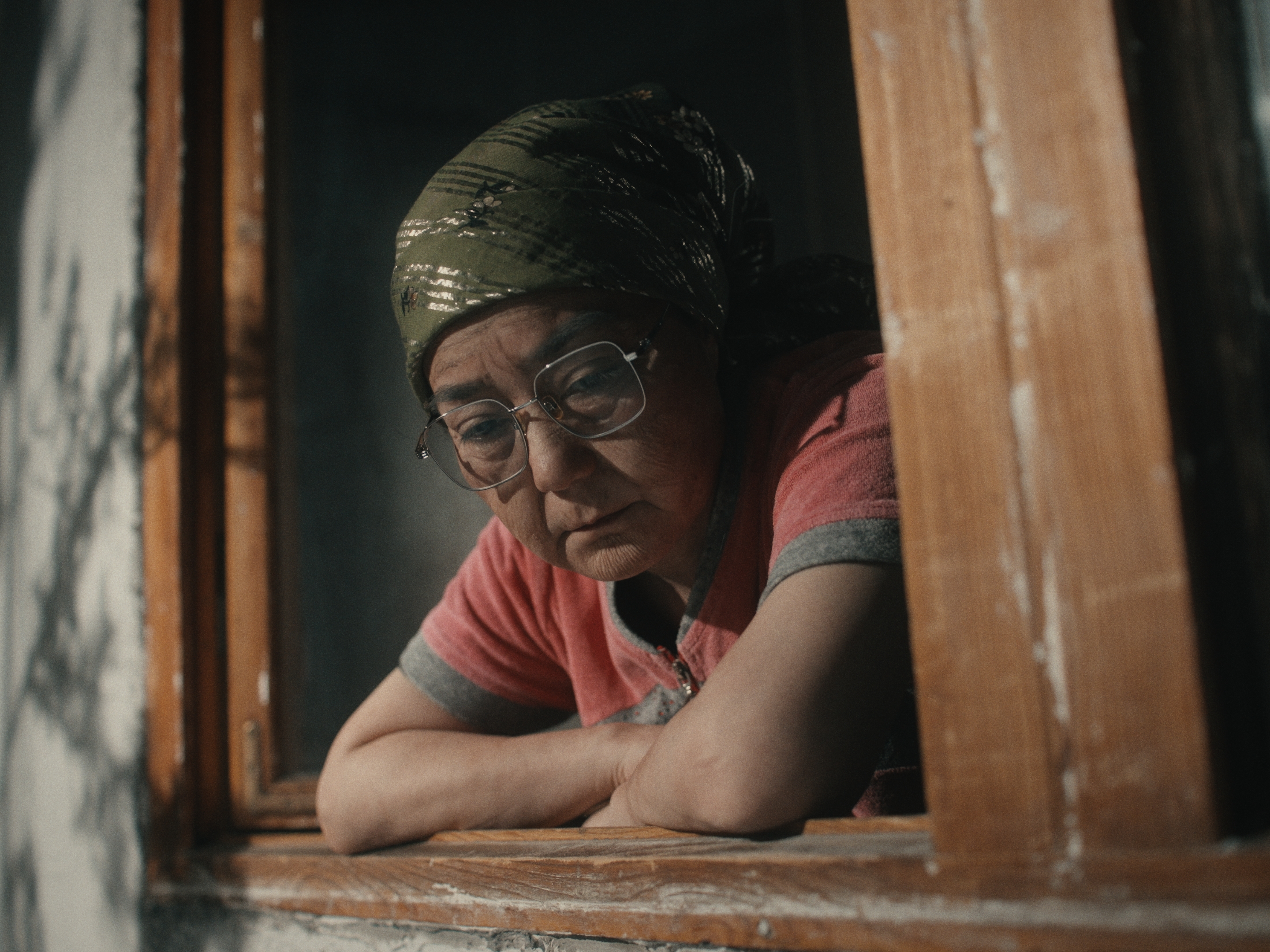
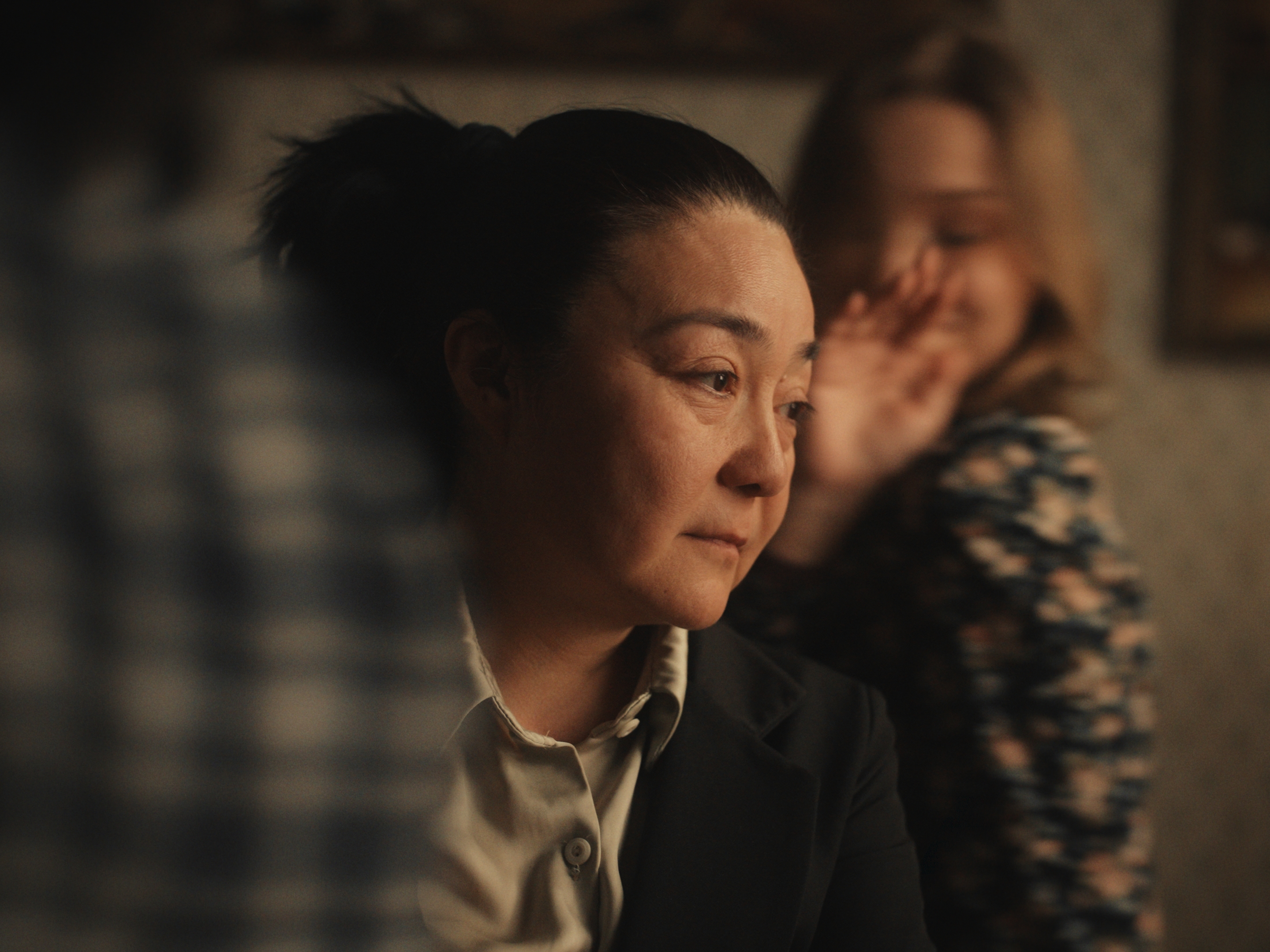
The film is set in an apartment in Soviet Alma-Ata during the December 1986 events, known historically as Jeltoqsan, or the December Uprising. The story explores a fierce generational conflict between a rebellious mother and her son, who serves as a regular militia officer. Interestingly, we chose to invert the classic trope of generational friction. Instead of a revolutionary youth fighting a conservative older generation, it is the mother who pushes for radical change while her son tries to uphold the established Soviet order.
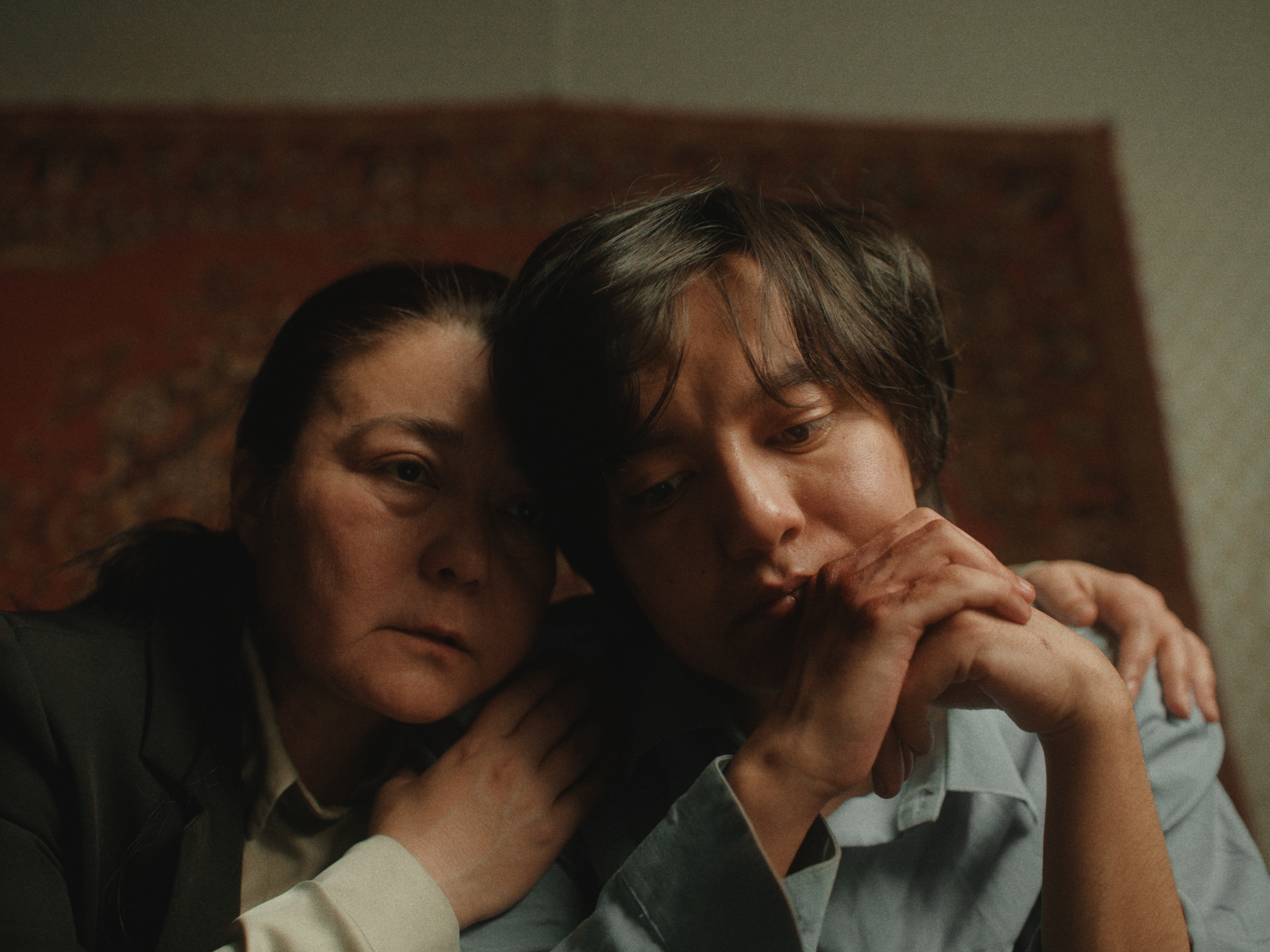
Jeltoqsan served as a massive, defining backdrop for our narrative. These protests in Kazakhstan were among the very first major signs of public discontent against the centralized Soviet regime, precluding the tectonic political shifts that followed. Just a few years later, the Soviet Union collapsed, and through the "Parade of Sovereignties," new independent nations were born, including the modern Republic of Kazakhstan. The title “ЗВЁЗДНЫЙ ЧАС СУВЕРЕНИТЕТА” (The Finest Hour of Sovereignty) encapsulates this exact turning point in history: the dawning hour of a nation's destiny and freedom born out of personal and collective sacrifice.
3. Looking at the credits, this is a remarkably large crew for a student project. How did you organize and execute a production of this scale? What was the biggest challenge?
The key to managing a crew of this size was establishing a clear workflow, precise task delegation, and a tight department hierarchy where everyone knew their role perfectly on set. It allowed the entire production to run like clockwork. Filmmaking is entirely about trust, and I wanted to surround myself with collaborators I could rely on completely.
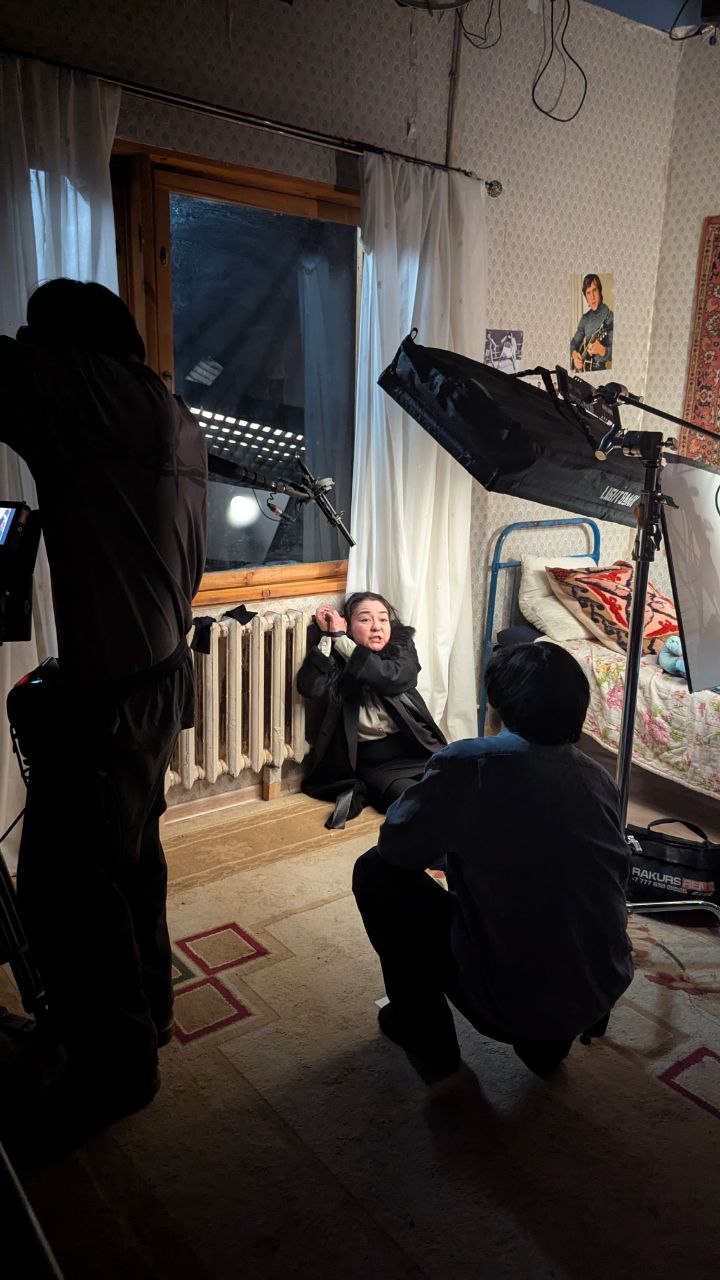
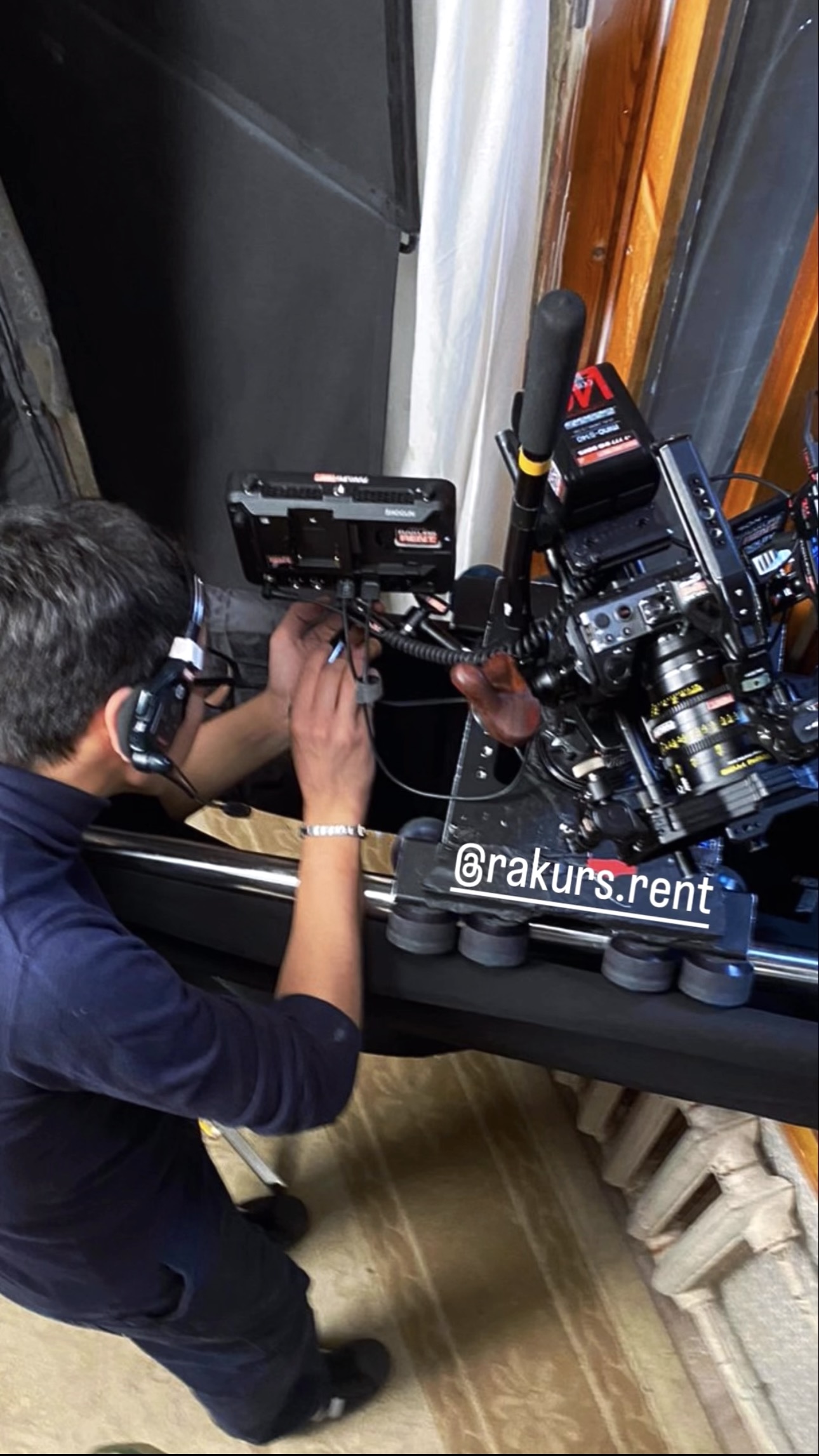
I want to specifically highlight my Gaffer, Kamila Tsoy. We meticulously planned the entire lighting design during pre-production, which allowed us to make fundamental, precise creative choices on the fly during the shoot. I am also deeply grateful to my First Assistant Camera, Sergey Marchuk, who not only kept everything sharp but also physically assisted me in executing heavy, intricate camera movements.
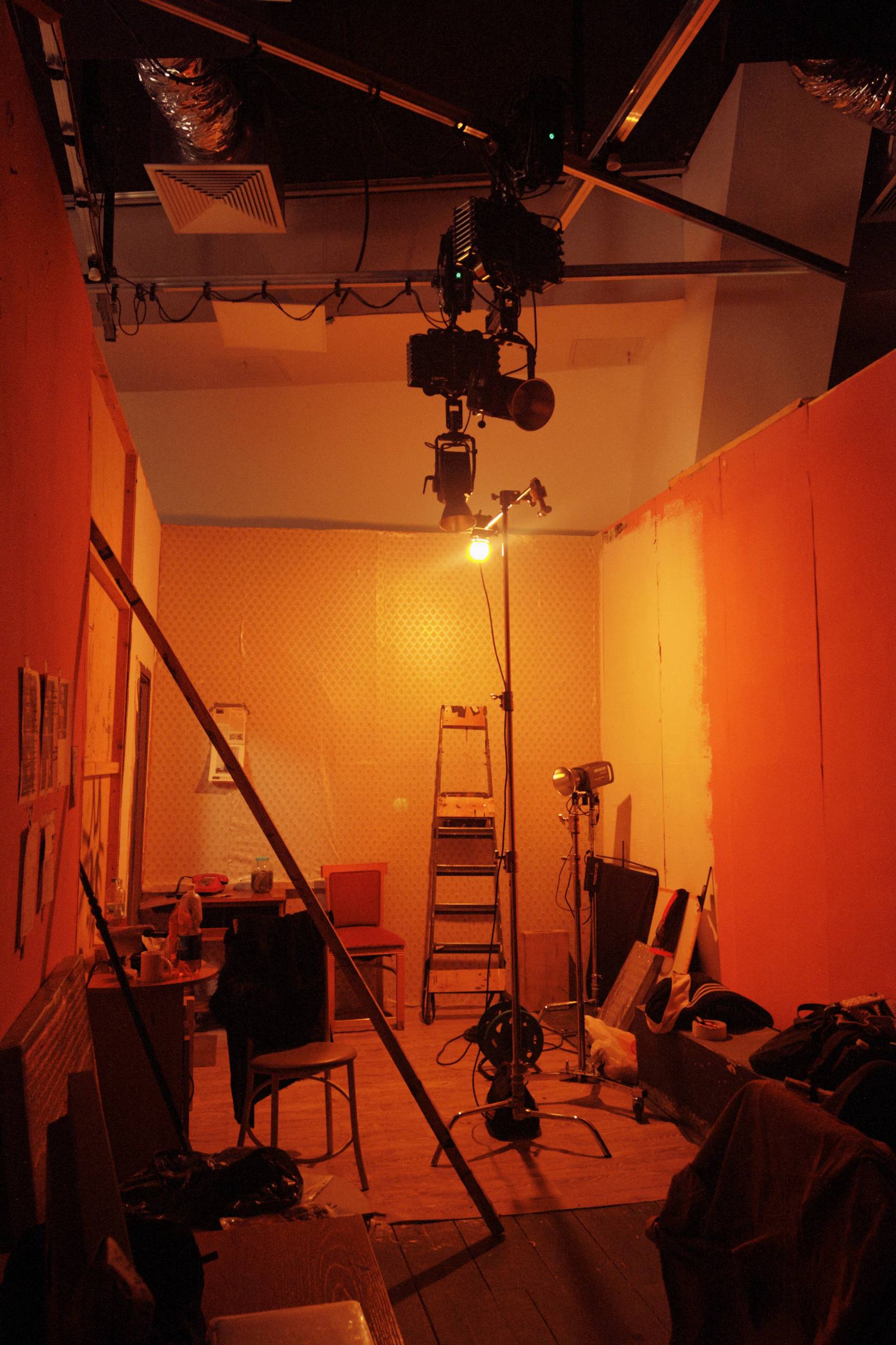
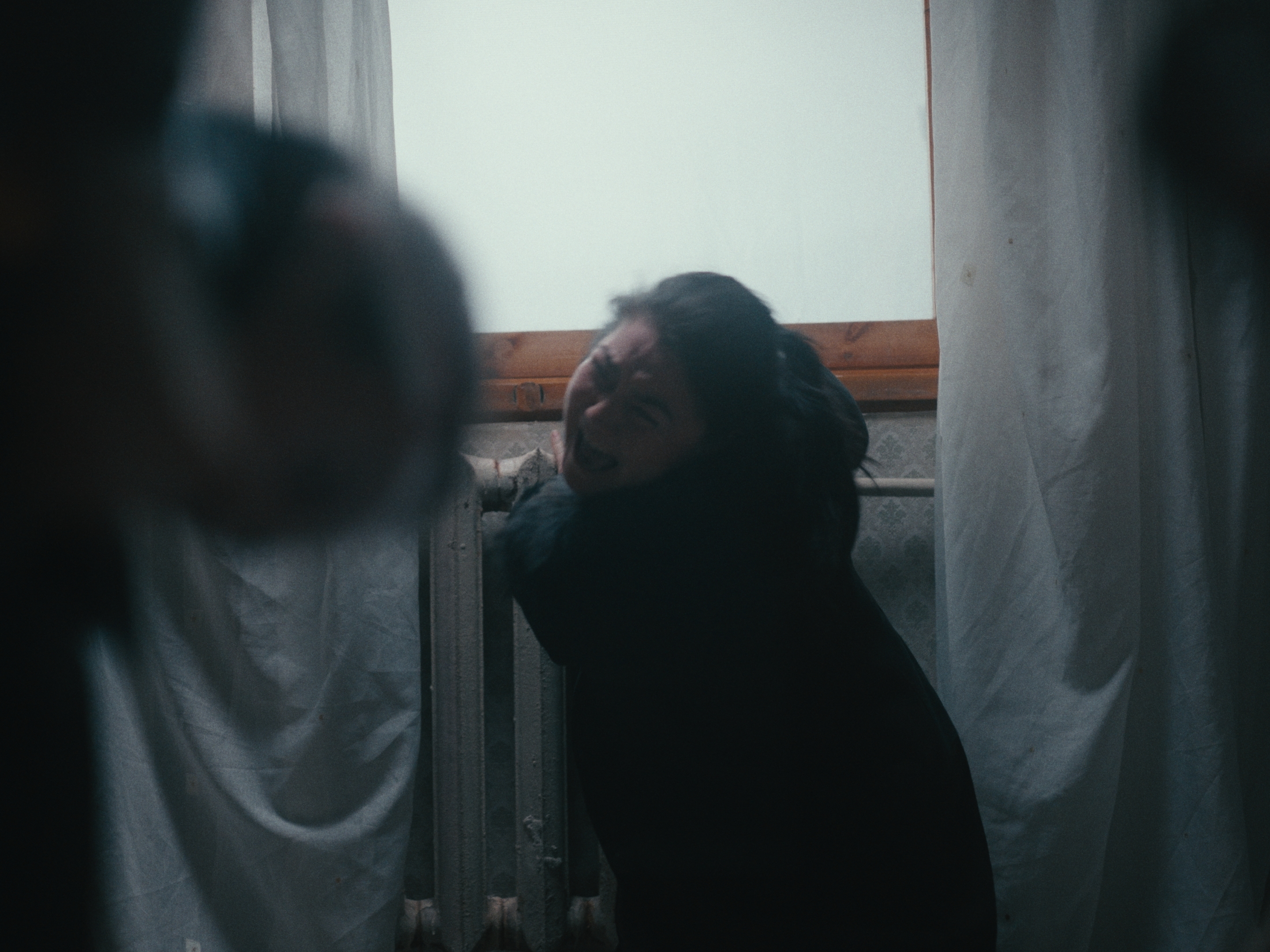
The main challenge was not the size of the team, but the sheer complexity of the camera movement. We designed intricate, multi-phase single-take dolly shots, camera fly-ins through windows, 180-degree Dutch tilts and flips in multiple directions, handheld operating, and precise top shots. Additionally, we had a massive window in our main room setup. Simulating realistic, natural sunlight and rays through a window of that scale is always tough, but we chose to shoot the film entirely in a constructed studio pavilion. This gave us total creative freedom over our compositions and allowed us to build our lighting environment from scratch.
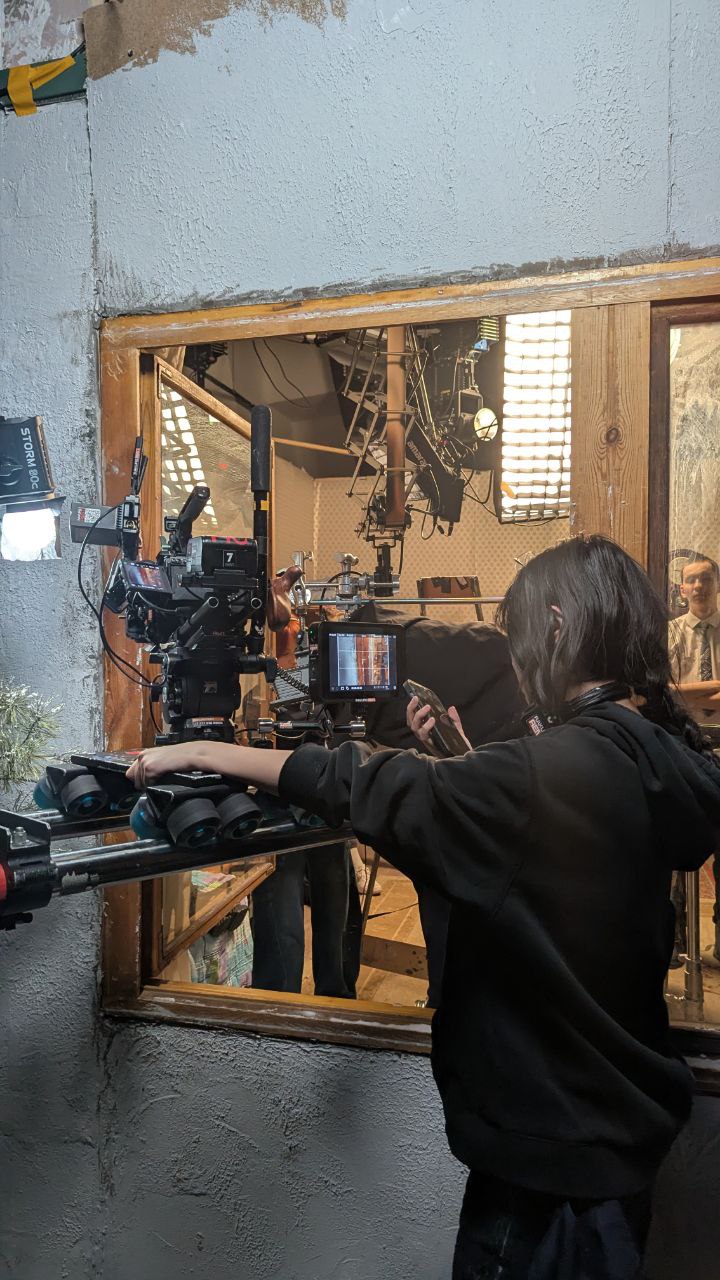
4. What drew you to the Sony FX3 + DZOFILM Vespid Prime combination?
The decision to pair the Sony FX3 with the DZOFILM Vespid Primes came down to achieving uncompromising cinematic imagery within an agile, compact form factor. When working with professional cinema equipment, gear setups quickly become heavy and cumbersome. Because our shot list demanded complex, highly dynamic camera moves, having a lightweight, compact lens kit was absolutely vital for the camera's mobility.
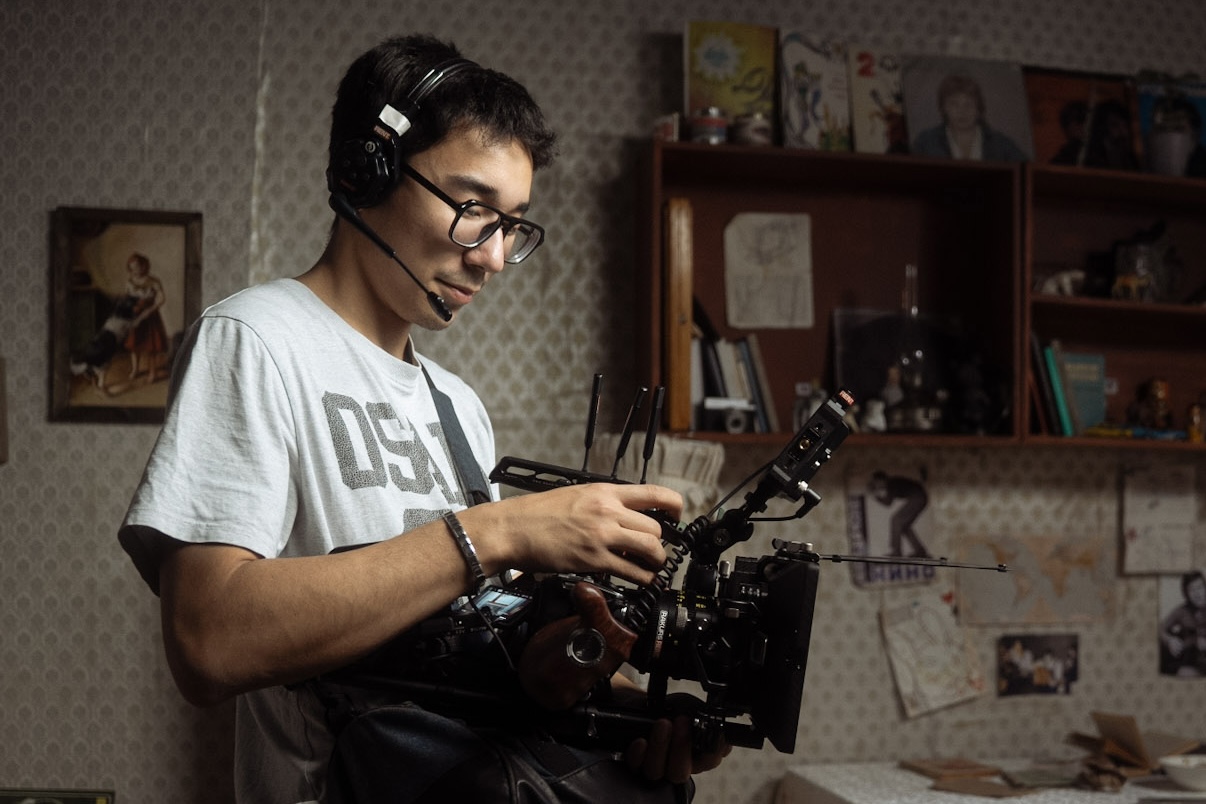
The full-frame sensor coverage was also essential for establishing the wide, immersive environmental compositions that the story required. Furthermore, I shot almost the entire film wide open at T2.1. This allowed us to pull beautiful, rich details out of the shadow areas. I was specifically drawn to the Vespids because of their inherent warmth and gentle, organic look. Since this is a period piece depicting historical events, avoiding a harsh, overly clinical digital look was crucial. To push this vintage, painterly softness even further, I paired the Vespid lenses with a Pro-Mist filter, and I am incredibly happy with the final look of the footage.
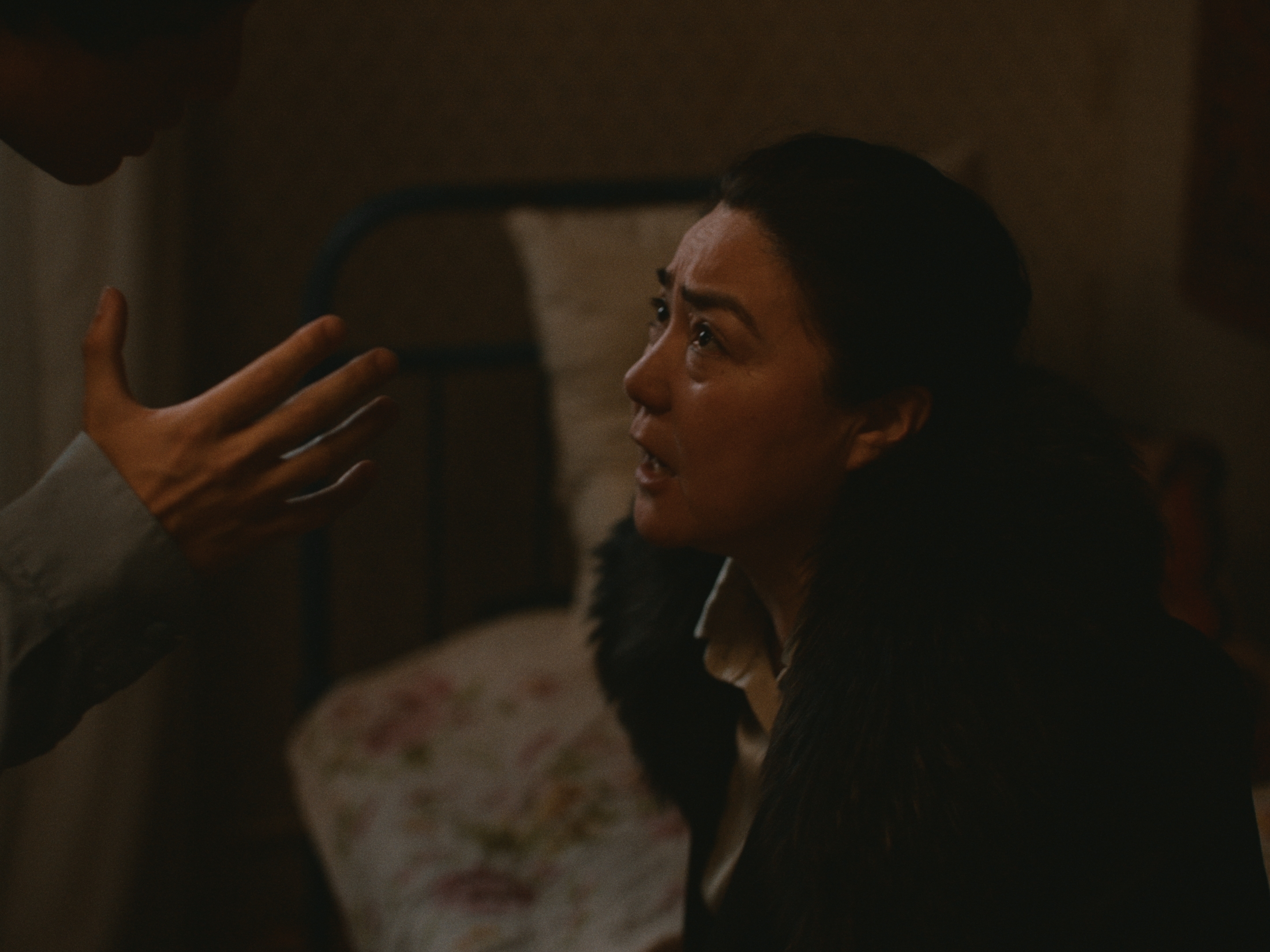
5. The film spans multiple time periods and lighting conditions. How did the Vespid lenses, their skin tones, bokeh, highlight roll-off, help you shape the visual language and mood of the film?
Since the film spans multiple eras and lighting setups, consistency in rendering textures was vital. The Vespid lenses have an organic sharpness that isn't overly clinical, accompanied by a beautiful, warm color rendering. The skin tones are rendered beautifully and look very natural, which was crucial for our character-driven close-ups. Furthermore, the highlight roll-off is incredibly smooth, preventing digital harshness in high-contrast scenes, while the geometric bokeh helped create a distinct, immersive depth of field that enhanced the period atmosphere.
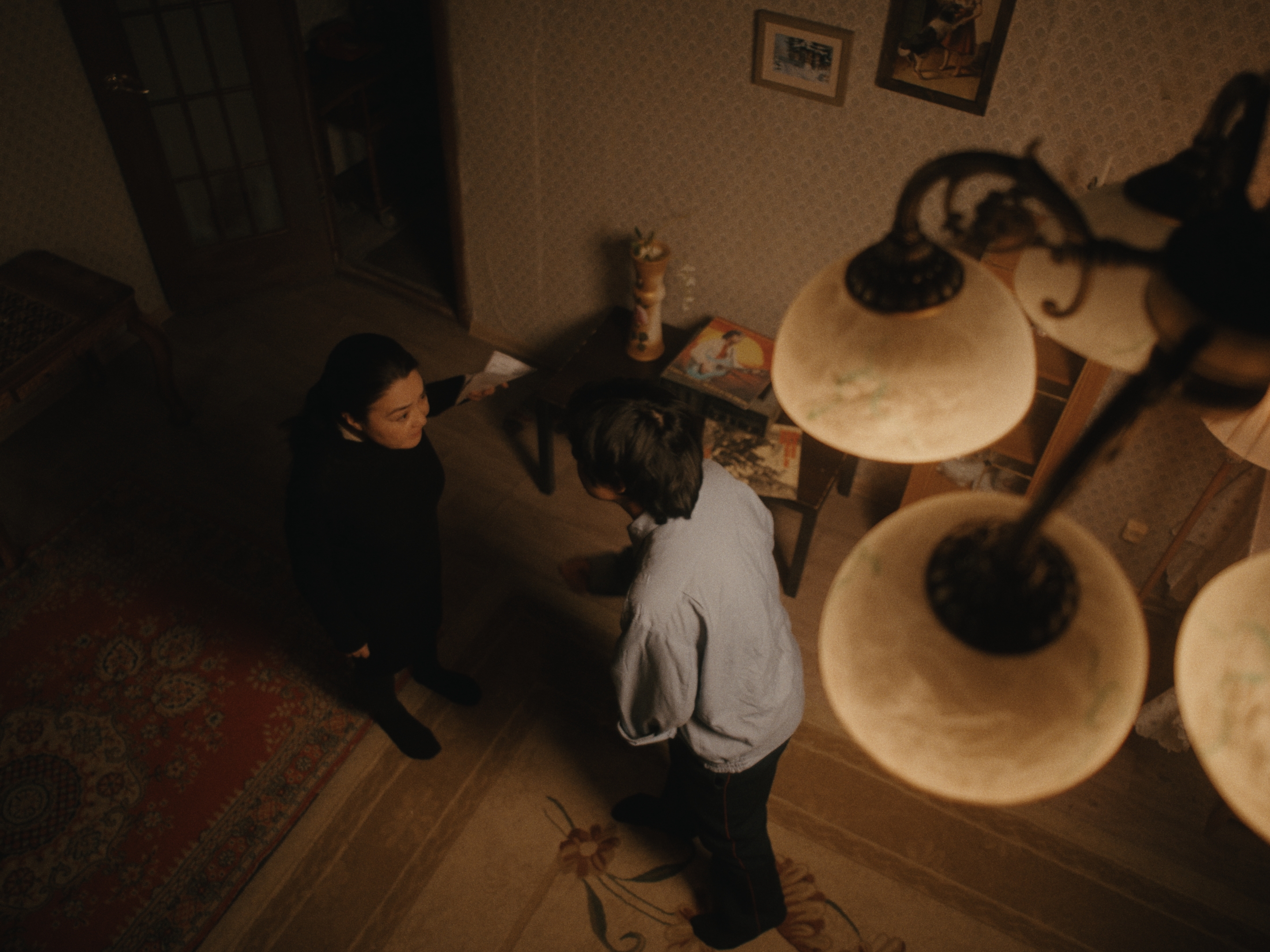
6. Were there any extreme lighting situations (night scenes, backlight, high contrast) where the Vespid lenses really proved their value? Any specific shot you're especially proud of?
The Vespids truly proved their worth in a high-contrast scene where the main character ties a Pioneer necktie onto a young boy. We had intense, hard light pouring directly from the window behind the characters, creating a massive backlighting challenge.
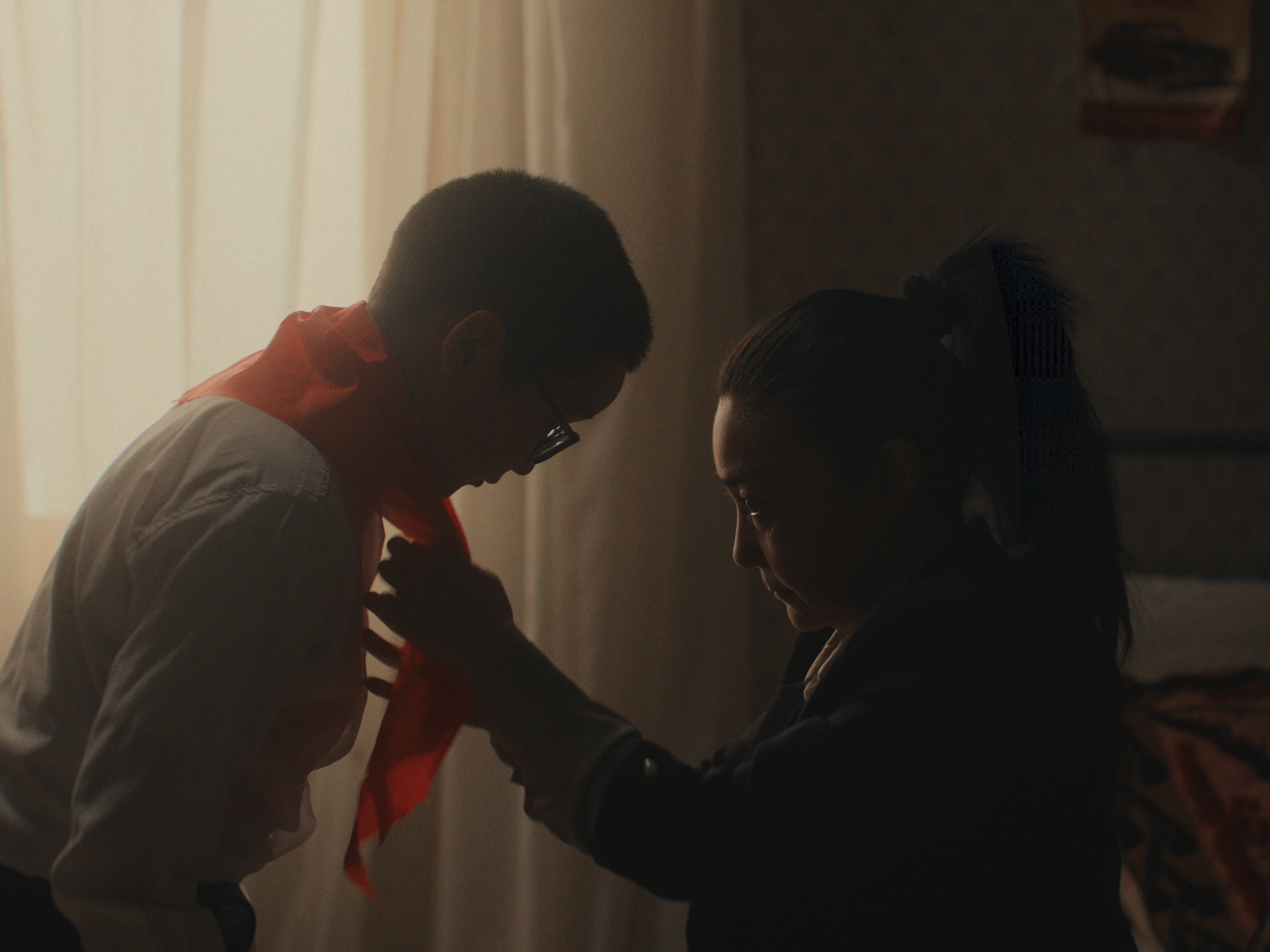
Even under these extreme conditions, the lenses beautifully retained shadow details on the characters' faces without washing out, which deeply impressed me. I am also incredibly pleased with how the lenses handle flares because the artifacts look organic, pleasant, and never distracting. The smooth bokeh and gorgeous background fall-off on our character close-ups made those emotional moments stand out beautifully.
7. What advice would you give to other young filmmakers working on student projects or indie shorts, about gear selection, team collaboration, or project execution?
My main advice to indie filmmakers and students tackling graduation projects is to prioritize pre-visualization and build a team you can trust. Gear-wise, pick tools that don't get in the way of your story. Lenses like the Vespid Primes are great because they offer professional, high-end cinema ergonomics (like matching gear positions and weight) at an accessible level, which saves precious time on set. Focus on collaboration, a DP is only as good as their crew.
On top of that, I cannot stress enough how vital thorough pre-production is. Spending extra time planning every detail, mapping out the lighting blueprints, and discussing the visual style with your key crew members before hitting the set changes everything. Good pre-production is what gives you the confidence to handle any unexpected challenges during production.
8. What are your plans for this film (festivals, etc.)? Will you continue using Vespid or other DZOFILM lenses on future projects?
We are currently entering “ЗВЁЗДНЫЙ ЧАС СУВЕРЕНИТЕТА” into the festival circuit, and we are looking forward to sharing it with both local and international audiences. As for DZOFILM, I am already incredibly familiar with your glass. In total, I have shot five different projects using Vespid lenses, and I am immensely satisfied with how they perform in demanding professional environments. I will definitely continue to use, experiment with, and rely on these lenses for my future work.
Furthermore, I am completely open to collaboration and would be thrilled to establish a closer partnership with DZOFILM. If you ever have new gear, prototypes, or other lens lineups that you would like me to test out on future sets, I would be more than happy to do so. I am particularly interested in exploring your anamorphic options or cinema zooms.